
The promise of earning crypto online without upfront investment is entirely legitimate. Binance distributes crypto for completing educational quizzes. Coinbase Wallet Quests reward users for completing on-chain tasks. These programs exist, they work, and they pay out. Scammers exploit precisely this legitimacy – building platforms that mimic the look, language, and reward structure of real programs while operating as single-purpose fraud infrastructure.
Key Takeaways
- Earn crypto online scams specifically target people who want to accumulate crypto without investing their own money.
- The core mechanic is always the same: a fake growing balance, a blocked withdrawal, and a demand for a deposit to release funds that never existed.
- The most dangerous version spreads through genuine social networks
- KYC requests on reward platforms are frequently identity theft infrastructure, not compliance
- The one test that cuts through everything: try to withdraw your full balance right now. If any barrier appears, the platform is a scam.
The scale of the problem is substantial. According to the FBI’s 2025 Internet Crime Report, Americans reported $11.36 billion in cryptocurrency-related fraud losses in 2025 – a 22% increase from the previous year – across 181,565 complaints. Investment and earning scams accounted for the largest share of those losses.
This article breaks down every type of earn crypto online scam, how each one works step by step, and exactly what to verify before trusting any platform with your time, identity, or money.
Why “Earn Crypto Online” Scams Are So Effective
The psychological design of these crypto scams is deliberately constructed around one insight: people who would never send $500 to a stranger will happily spend two weeks completing tasks on a platform that ‘owes’ them $500 in rewards – and then feel compelled to pay a $100 release fee to get their earned money back. The victim is not investing; they are collecting what they believe they have already earned. This reframing is what makes earn crypto online scams significantly more effective than straightforward investment fraud.

The mechanism is consistent across all variants: the platform shows a growing balance that the user cannot independently verify on any blockchain explorer. Every balance displayed is a number in a database the scammers control. No real crypto is ever credited to a user wallet until withdrawal is attempted – at which point the scam reveals itself through fees, thresholds, or simply disappearing.
What makes these scams uniquely dangerous is how they spread. A friend or family member who is already inside the scam recruits you, genuinely believing the platform is real because their own balance is growing on screen. They are not lying – they are simply earlier in the scam lifecycle, at a point where the platform may be releasing small payments to build credibility. By the time the scheme collapses, entire social circles lose money simultaneously.
Types of Earn Crypto Online Scams
These scams share the same core mechanic – fake balance, blocked withdrawal, demand for deposit – but present themselves differently depending on their target audience.
1. Fake Task and Notification Apps
This is the most commonly reported earn crypto online scam in community discussions. The platform claims to pay users 1-2% per day or per action for completing simple tasks: clicking a confirmation button, watching short videos, completing surveys, or rating products. The 1-2% daily return figure is itself a definitive red flag – that figure compounds to over 700% annually, which no legitimate business generates. Any platform promising this is either a Ponzi scheme using new user deposits to pay existing users, or simply displaying fabricated numbers.
How it works step by step
- You are recruited through a friend, social media post, or targeted ad.
- You download an app or visit a website and create an account.
- Your balance begins growing immediately – small amounts, but consistently.
- After days or weeks of ‘earning,’ you attempt to withdraw.
- You are told your balance is below the minimum withdrawal threshold.
- You complete more tasks to reach the threshold – it keeps moving.
- Eventually a ‘security deposit,’ ‘tax payment,’ or ‘activation fee’ is demanded. That payment goes directly to the scammers and is never returned.
A French community member described their family’s experience precisely: the app required a screenshot of a bank account, a government ID, and a photo holding the ID as ‘KYC verification’. This information was not used to verify identity – it was used to commit identity theft, enabling scammers to open credit lines in the victim’s name.
The 1-2% daily return figure is itself a red flag. No legitimate platform can sustainably pay 1-2% daily – that compounds to over 700% annually, which no real business generates. Any platform promising this is either a Ponzi using new user deposits to pay existing users, or simply displaying fake numbers.
2. Social Recruitment Ponzi Schemes
Social recruitment scams are particularly damaging because the person introducing you genuinely believes the platform works. They are not lying – they are simply earlier in the scam lifecycle. The platform pays small amounts to early users from the deposits of newer ones, creating a cycle where early users become authentic advocates within their social networks.
How it works
A recurring pattern in community discussions involves a trusted friend claiming to have made significant money – sometimes $10,000 to $20,000 – from a crypto reward platform. What the recruiting friend typically does not know is that their ‘profit’ is a staged withdrawal: a small amount released by scammers specifically to generate social proof. The scammers collect far more in later deposits than they paid out in early withdrawals.
The collapse is social as well as financial. When the scheme fails, everyone in the network loses simultaneously – including the friend who recruited you. The original recruiter often loses more than those they brought in, having deposited more over a longer period. The community warning is consistent: ask the friend whether they have tried to withdraw their full balance.
A friend who made $500 but still has $15,000 ‘invested’ has not proven the platform pays out – they have proven the scammers are willing to release small amounts to build credibility.
3. Fake Learn & Earn Programs
Fake learn and earn programs mimic the format of legitimate educational reward platforms like Binance quizzes or Coinbase Wallet Quests. They present short videos and multiple-choice questions about real cryptocurrencies and promise token rewards upon completion. The format is convincing because legitimate versions of this model actually exist and pay out.
How to distinguish real from fake
Legitimate learn and earn programs exist exclusively on the official website or app of an established exchange. You access them by going directly to Binance.com, opening Coinbase Wallet Quests, or using the Revolut app. Rewards are credited to your existing account on that platform, with no additional fee required to withdraw.
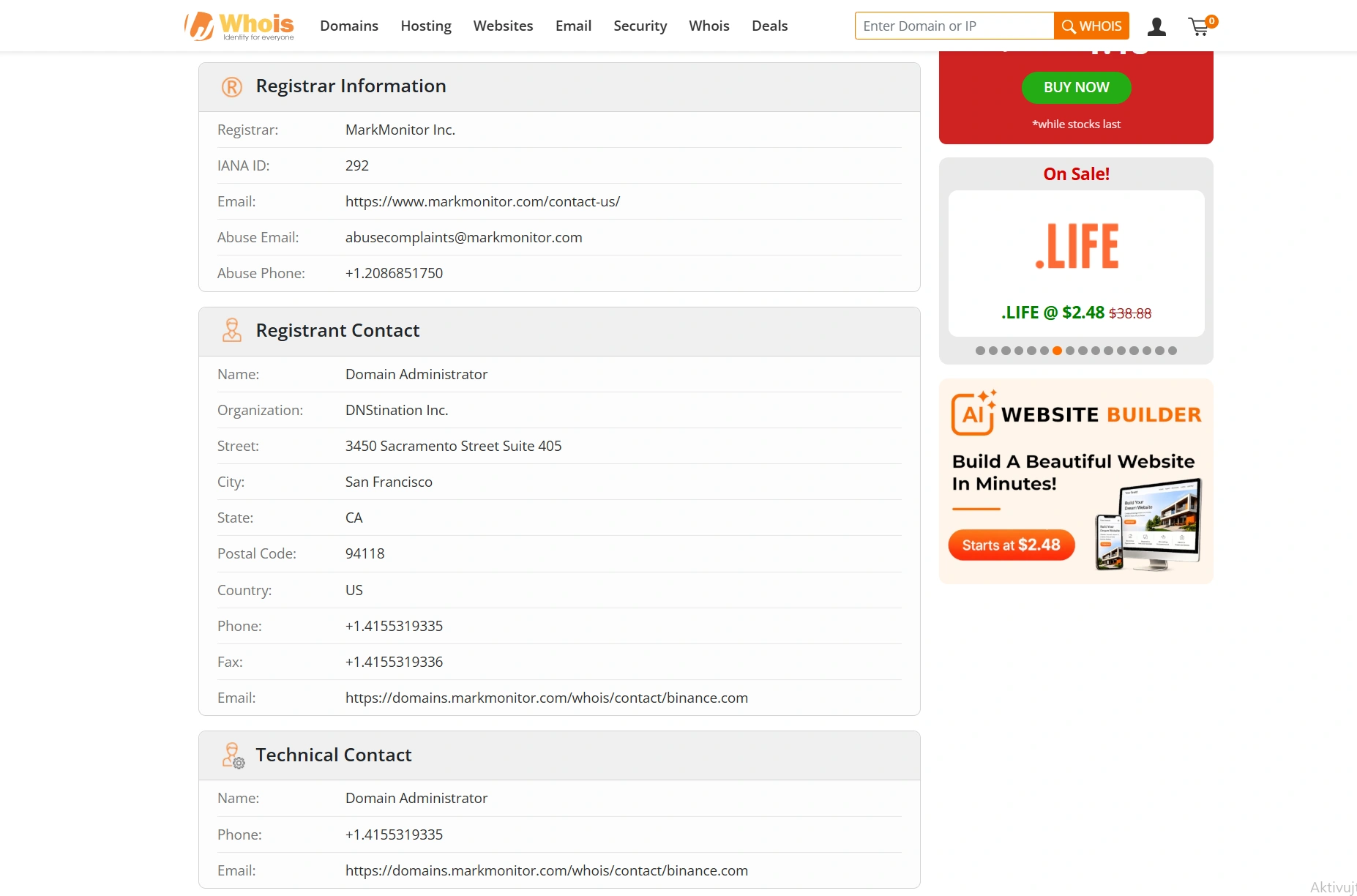
Fake versions exist on separate websites that imitate the design of legitimate platforms. They require you to create a new account, complete KYC, and often make a ‘minimum deposit’ or pay a ‘gas fee’ to receive your rewards. A domain age check via WHOIS is critical here: legitimate exchange programs are on domains that have existed for years. A domain registered three months ago claiming to be affiliated with a major exchange is a fake.
4. Fake Play-to-Earn Games
Play-to-earn scams exploit the legitimate gaming and NFT market. Fake versions use two distinct methods to steal from users.
The deposit trap model
You are invited to play a game that rewards crypto tokens for gameplay. As your in-game balance grows, you are prompted to connect your wallet to ‘claim’ earnings, then make a small deposit to ‘upgrade your character’ or ‘unlock higher rewards.’ The deposit goes to the scammer; the game continues showing fabricated balances.
The wallet drainer model
more technically sophisticated fake games contain malicious smart contracts that drain your wallet the moment you connect it and approve a transaction. You do not need to make a deposit – simply connecting and approving is enough.
The California DFPI has specifically documented Crypto Gaming Scams as a distinct fraud category, noting that scammers advertise fake play-to-earn apps with the intent of draining connected wallets. These games are almost always distributed through Telegram groups, Discord servers, or direct messages – not through official app stores.
5. Identity Theft Disguised as KYC
This is not a standalone scam type but an additional layer of harm built into most earn crypto online scams. Almost every fake reward platform at some point requests identity verification as a condition of withdrawal or account activation.
The typical request includes:
- a photo of a government-issued ID (front and back),
- a selfie holding the ID,
- a screenshot of a bank account or crypto wallet showing available balance.
This combination is sufficient to open accounts, apply for credit cards, or take out loans in a victim’s name.
The damage from identity theft frequently exceeds the direct financial loss from the scam itself and can persist for years. A clear rule: no legitimate earn crypto online platform requires a government ID, a selfie holding your ID, or a bank account screenshot as a condition of receiving rewards. KYC on regulated exchanges happens once at registration, not at withdrawal time.
6. Referral-Linked Fake Platforms
Some earn crypto online scams are specifically designed around referral mechanics. Users are incentivized to recruit others with promises of a percentage of their recruits’ earnings, creating a pyramid structure that spreads faster than most other scam types.
The referral incentive also gives existing users a financial reason to defend the platform even when warning signs appear: if you have recruited five friends and ‘earn’ 10% of their balance, you have a stake in believing the platform is real.
This is distinct from legitimate referral programs run by regulated exchanges – Binance pays up to 50% commission on referred users’ trading fees; Coinbase offers $10-$50 per qualified referral. Legitimate programs pay commissions from real trading activity on regulated platforms. Fake referral schemes pay from a pool funded by deposits and eventually collapse.
Earn Crypto Online Scam Types at a Glance
| Scam Type | How It Hooks You | The Trap | Key Red Flag |
| Fake task / notification apps | Pay per click or task, growing balance on screen | Withdrawal requires fee or minimum deposit | Balance grows but withdrawal always blocked |
| Fake play-to-earn games | Earn tokens by playing, real-looking in-game economy | Deposit crypto to ‘unlock’ earnings or upgrade | Requires wallet connection + deposit to earn |
| Fake Learn & Earn programs | Mimics Coinbase, Binance quiz format | Requires KYC + initial deposit to claim rewards | Not on the official platform’s own website |
| Referral-based Ponzi | Friend earned money, invites you in | Early users paid from new recruits, collapses | Returns come from recruitment, not earnings |
| Identity theft disguised as KYC | Reward platform asks for ID + selfie | Your ID used to open credit lines elsewhere | Any reward app asking for government ID |
| Crypto gaming scam | Play-to-earn with wallet drainer inside | Malicious code drains wallet on connection | Game found through DM or Telegram group |
Real Cases From the Community
The following cases are drawn directly from community discussions. They illustrate how these scams unfold in practice, who gets targeted, and what the actual damage looks like.
Case 1: The Notification App – A Family Scammed Through Trust
A software engineering student described how their parents, both in their late 50s, were recruited to a crypto app by a real-life friend. The app used a notification system: users clicked a confirmation button at specific intervals and received 1-2% in crypto rewards. The parents believed it was safe because their friend had genuinely made small payments from it.
The platform also requested a bank account screenshot, government ID, and a selfie holding the ID as ‘KYC verification.’ The parents wanted to open additional accounts in their children’s names to ‘earn more.’Key observations: the friend who recruited them was not a scammer – they were another victim who had not yet tried to withdraw a significant amount.
The KYC requirements were identity theft infrastructure. The 1-2% daily return figure is mathematically impossible from any legitimate business. The student identified multiple red flags immediately but struggled to convince their parents, who had direct social proof from a trusted friend.
Case 2: BonChat – A Platform Built for Scammers
BonChat appeared repeatedly across community discussions as a platform associated with earn crypto online scams. Unlike most messaging apps, BonChat is not used as the investment platform itself – it functions as the communication layer between scammers and victims, replacing WhatsApp or Telegram. Its end-to-end encryption and relative obscurity make it attractive for scammers seeking to avoid detection.
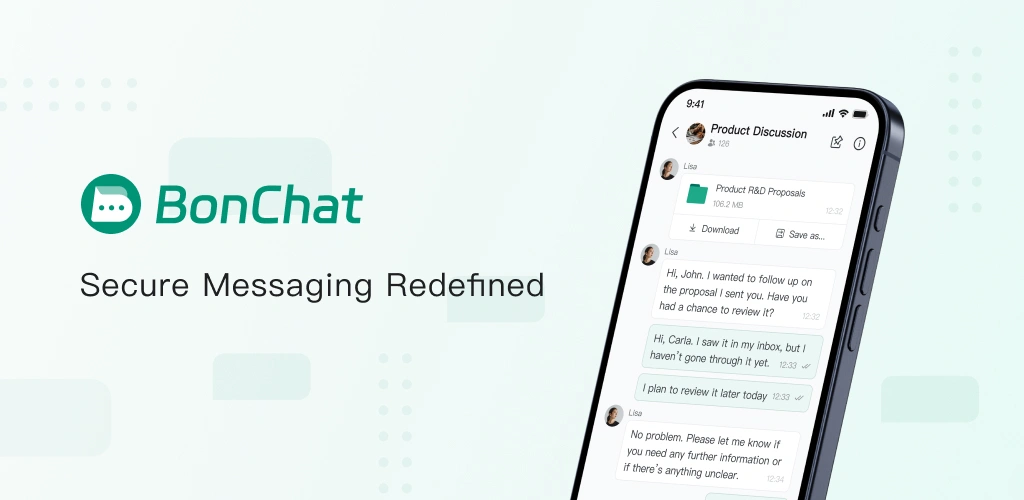
Victims who searched ‘BonChat crypto scam’ found extensive community documentation of its use in pig-butchering adjacent schemes where a new contact built rapport before introducing earning or investment opportunities. Community guidance is consistent: any earning opportunity introduced through BonChat should be treated as a scam by default until independently verified.
Case 3: Wealth Fims / ETRDStocks – The Professional Fake Exchange
A retired federal employee lost $400,000 to a platform called Wealth Fims (wealthfrontes.com), which later rebranded as ETRDStocks.net. The initial contact came through financial content on Facebook. The scammer built trust over weeks posing as a finance professional. The platform had professional-looking dashboards, tax statements, and allowed a small initial withdrawal to establish credibility. When the victim attempted to withdraw the full amount, a sequence of ‘release fees,’ ‘taxes,’ and ‘security deposits’ followed. Each payment unlocked a new reason why the funds could not be released.
A WHOIS check revealed: wealthfrontes.com was 207 days old and etrdstocks.net was 112 days old – both clear red flags that would have been visible before any money was sent. The platform had already rebranded once, which is standard practice when a scam domain accumulates enough negative reports to appear in search results.
Case 4: The Friend Who ‘Made 20K’ – Staged Early Withdrawals
A consistent pattern across community discussions involves a trusted friend claiming to have made $10,000 to $20,000 from a crypto earning platform. The friend is used as recruiting leverage by the scammers – not because the friend is complicit, but because the scammers deliberately allowed that friend to make a small, real withdrawal specifically to generate social proof. The staged withdrawal is the scammer’s marketing investment.
The test is always the same: ask the friend whether they have tried to withdraw their entire balance in a single transaction. A friend who received $500 but still has $15,000 sitting in the platform has proven only that the scammers are willing to release small amounts. They have not proven the platform is legitimate.
Legitimate Free Earning Platforms vs. Scams: How to Tell the Difference
What Legitimate Platforms Always Do
- Exist on the official website or app of an established, regulated company (Binance, Coinbase, Revolut, Brave).
- Allow you to withdraw earnings at any time with no additional payment.
- Credit rewards to your existing exchange account, not a separate platform.
- Require standard identity verification (for regulated exchanges) but never ask for it specifically to release earnings.
- Have domain ages measurable in years, not weeks.
- Are findable through the company’s own official channels – not just through a friend’s referral.
What Scam Platforms Always Do
- Require payment of any kind before allowing withdrawal – regardless of how it is labeled (tax, fee, security deposit, gas, activation).
- Show growing balances that cannot be independently verified on a blockchain explorer.
- Request government ID, selfies with ID, or bank account screenshots as a condition of earning or withdrawing.
- Are introduced by someone else rather than discoverable through independent research.
- Have newly registered domains (check WHOIS – anything under 6 months old is high risk).
- Promise fixed daily or weekly percentage returns regardless of market conditions.
- Move conversations to encrypted messaging apps like BonChat, Telegram, or WhatsApp after initial contact.
The One Test That Cuts Through Everything
Try to withdraw your full balance right now. If you can do so freely and immediately, the platform may be legitimate. If you encounter any fee, threshold, or additional step, stop immediately. Do not pay the fee. The fee is the scam’s final collection mechanism – paying it will not release any funds.
What to Do If You Are Currently in an Earn Crypto Online Scam
If You Have Not Yet Made a Deposit
- Stop all activity on the platform immediately.
- Do not attempt to ‘earn your way’ to the withdrawal threshold – it will keep moving.
- Screenshot everything: your account balance, transaction history, any communications with the platform.
- Disconnect your wallet from the platform if you connected one.
- If you provided ID documents, place a fraud alert on your credit file immediately.
If You Have Already Made a Deposit
- Stop sending money. There is no fee that will unlock real funds.
- Do not respond to recovery agents. Anyone contacting you to help recover funds after a scam is running a follow-up scam.
- Report the platform to the FBI IC3 at ic3.gov and the FTC at reportfraud.ftc.gov.
- Report fraudulent wallet addresses to Chainabuse.com and the exchange used to send funds.
- If you shared identity documents, contact your bank to flag potential fraud and place a credit freeze.
- File a police report – while recovery is unlikely, this creates a formal record.
How to Talk to Family Members Who Are in a Scam
Convincing someone they are being scammed is difficult, especially when they have direct social proof from a trusted friend. The most effective approach is not to argue about whether the platform is a scam – ask them to try to withdraw their full balance in your presence, right now. If they can, the platform may be legitimate. If they encounter any barrier, that concrete experience is more convincing than any explanation of scam mechanics.
Do not shame them. These operations are professionally engineered to exploit trust, not gullibility. The FBI estimates that 78% of crypto investment scam victims were unaware they were being scammed at the time of intervention. The person who recruited them is almost certainly also a victim. Shame drives people to hide the problem, which leads to larger losses.
Frequently Asked Questions
Check the domain age with WHOIS – anything registered in the last six months should be treated with extreme caution. Search the platform name plus ‘scam’ on Reddit and Google before creating an account. Verify that the platform is owned by a company you can find independently through a search engine, not just through the person who referred you. Test the withdrawal process with a small amount before spending any significant time or money. If anyone asks you to pay any amount to receive earnings you have already generated, stop immediately.
Not necessarily. Ask your friend whether they have tried to withdraw their entire balance in a single transaction. Scammers routinely release small early payments to create authentic social proof. The friend who made $500 and still has $15,000 in the platform has not proven the platform pays out – they have proven the scammers are willing to spend $500 to access your network.
No. Legitimate platforms never collect taxes from users as a condition of withdrawal. Any tax liability on crypto earnings is between you and your national tax authority – it is not collected by a trading platform, reward app, or earning service. A ‘tax payment’ demanded by a platform before releasing your balance is a scam fee in disguise.
Act immediately. Contact your bank and credit card providers to flag potential identity fraud. Place a fraud alert or credit freeze with the major credit bureaus (Equifax, Experian, TransUnion in the US; Experian, Equifax, TransUnion in the UK). If you are in the US, file a report with the FTC at IdentityTheft.gov, which provides a personalised recovery plan. Monitor your credit report actively for the next 12 months. The identity documents you provided can be used to open accounts, apply for loans, or conduct other fraud in your name – the risk persists long after the scam is discovered.
Recovery is possible but not common. The FBI’s IC3 Recovery Asset Team initiated 3,900 Financial Fraud Kill Chain actions in 2025 against $1.164 billion in attempted theft, successfully freezing $679 million – a 58% success rate when action was taken quickly. The critical variable is speed: the sooner you report after the transfer, the higher the probability that funds can be frozen before they are moved through mixing services or converted. Report to ic3.gov as quickly as possible and include all transaction records, wallet addresses, and platform screenshots you have collected.
Yes, but expectations should be realistic. Brave Browser pays BAT tokens for viewing privacy-respecting ads. Major exchanges including Binance and Coinbase offer small crypto rewards for completing educational modules on their official platforms. Staking via a regulated exchange or wallet generates yield on crypto you already hold. Crypto faucets pay very small amounts for completing simple tasks. None of these will generate significant income, but all are transparent, verifiable, and do not require you to deposit money to claim what you have earned.
