
Key Takeaways
- Crypto testnets are free to join – you use test tokens, not real money.
- Some projects reward consistent testnet participants with token airdrops after mainnet launch.
- Rewards are not guaranteed – many testnets never distribute tokens to users.
- Earnings range from zero to several thousand dollars depending on the project and your activity level.
- Sybil filtering is increasingly common – projects disqualify users who run multiple wallets artificially.
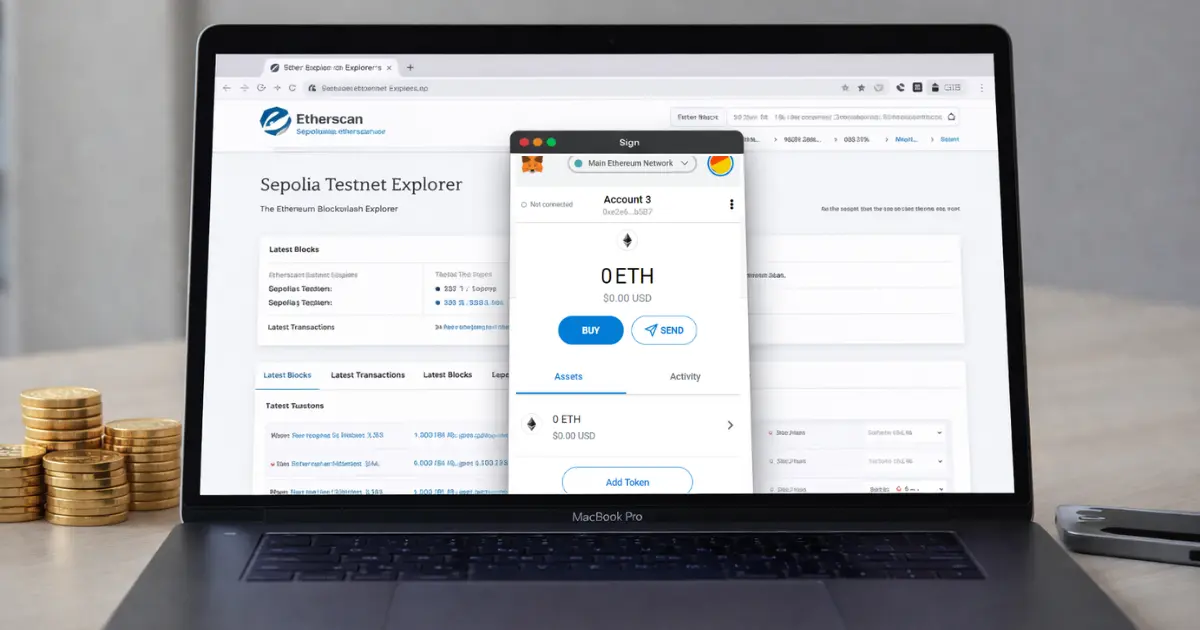
Crypto testnets are pre-launch blockchain environments where projects invite users to test features before going live on the main network. As a participant, you interact with the platform using tokens that have no real monetary value – but your activity is tracked, and in many cases, early testers receive token rewards when the project officially launches.
Testnet participation has become one of the most discussed crypto task strategies because the potential upside is high relative to the financial risk, which is zero. The trade-off is time and uncertainty – rewards are never guaranteed, and many crypto testnets never lead to any payout at all.
This guide covers what crypto testnets are, how to participate step by step, which projects are currently active, realistic earnings, and the risks you need to understand before investing your time.
What Are Crypto Testnets?
A crypto testnet is a separate blockchain environment that runs parallel to the main network (called the mainnet). It has the same rules, interfaces, and architecture as the real network, but all tokens on it have no monetary value. This makes it a safe environment for developers to test features without risking real funds.
For regular users, crypto testnets are an opportunity to get involved early in a project’s development. By using the platform, completing tasks, and reporting issues, participants contribute real data about how the network performs. In return, many projects use token distributions (crypto airdrops) to reward users who helped during the testing phase.
Key terms explained:
• Mainnet – the live blockchain where real transactions happen
• Testnet – the testing version where tokens have no value
• Airdrop – free token distribution to qualifying users
• TGE (Token Generation Event) – the moment a project launches its token
• Node – a computer that helps run and validate a blockchain network
How Do Crypto Testnets Work?
The process typically begins with connecting a crypto wallet, which allows the platform to track user activity. Participants receive free test tokens, which have no monetary value but enable them to simulate real transactions and test the platform’s actual functionality.
1. Project launches a testnet environment
A blockchain project deploys a test version of its network. They invite users to interact with it – swapping tokens, using DeFi features, minting NFTs, or completing structured quests. All activity is tracked on-chain or through a points dashboard.
2. Users participate and accumulate activity
A user engages with the platform by swapping, adding liquidity, minting, interacting with dApps, and completing specific tasks and quests. In most crypto testnets, you will experience a point based system where each action contributes to an overall score, and additional tasks can increase a user’s standing.
Participation and consistency over time is what makes testnets actually successful. The ongoing interactions give projects actual data about performance, customer behaviour, and any potential issues. All interactions are recorded on-chain or within the platform’s tracking system, allowing the project team to evaluate which users actively contributed during the testing phase.
3. Project transitions to mainnet
After sufficient testing, the project eventually transitions to its mainnet, where real tokens and economic activity begin. At this stage, some projects distribute crypto rewards to early participants in the form of airdrops. These rewards are typically allocated based on the level and quality of user activity during the testnet phase.
4. Rewards are distributed (or not)
This is the critical step – and the uncertain one. Some projects distribute significant airdrops to early testers. Others delay distribution, change the criteria, reduce allocations, or skip rewards entirely.
While not guaranteed, this distribution model has become a common incentive mechanism, encouraging users to participate early and contribute to the development and stability of new blockchain ecosystems.
Important: Testnet participation does not guarantee any reward. Before joining a testnet, search for the project’s official documentation on reward criteria. If no criteria are published, treat any potential reward as a bonus rather than an expected outcome.
How to Participate in Crypto Testnets
Participating in crypto testnets involves a series of practical steps that focus on interacting with early-stage projects and consistently generating on-chain activity.
Step 1 – Set up a crypto wallet
The process begins with setting up a crypto wallet, which is required to access most testnet platforms. Users then connect this wallet to a specific testnet website or dashboard, allowing the project to track their interactions and activity over time.
Step 2 – Find and connect to the testnet
Visit the official project website and look for a ‘Testnet’ or ‘Dashboard’ link. Connect your wallet when prompted. Always verify you are on the official URL – testnet phishing sites are common. If the project uses an external quest platform (Galxe, Zealy, or Layer3), you may need to connect there separately as well.
Step 3 – Claim test tokens
After connecting a wallet, the next step is obtaining test tokens. These are distributed through faucets and are required to perform any actions on the testnet. The data shows that faucets often come with limitations, such as cooldown periods or capped distributions, meaning users may need to return periodically to claim more tokens. Once obtained, these tokens are used to simulate real transactions within the ecosystem.
Step 4 – Complete tasks and interactions
The core of participation lies in actively using the platform. Users are expected to perform actions that mimic real usage, such as buying and selling assets, interacting with different sections of the application, or completing specific tasks provided by the project.
Common actions include:
- swapping tokens,
- adding liquidity,
- bridging assets between networks,
- minting NFTs,
- completing structured quests.
Many testnets introduce structured systems where users earn points for each action. For example, some platforms reward repeated activities like daily transactions, while others offer bonus incentives for completing additional tasks, joining external platforms, or increasing engagement levels.
In certain cases, users can also run nodes or perform more advanced actions, which may contribute further to their eligibility for future rewards.
Step 5 – Remain Consistent
Consistency plays a critical role in successful participation. The collected data highlights that users often engage with testnets daily, repeating tasks over time to accumulate points or strengthen their activity profile. Some users even participate in multiple testnets simultaneously or use several wallets to maximize exposure, indicating a pattern of stacking opportunities across different projects.
Step 6 – Engage with the broader ecosystem
In addition to on-platform actions, users may need to engage with the broader ecosystem. Some testnets award additional points for joining Discord or Telegram communities, completing quests on Galxe or Zealy, following official social accounts, or submitting bug reports. These activities are often tied to additional rewards, such as point boosts or eligibility for NFTs, which may later influence airdrop allocations.
Step 7 – Wait for mainnet launch and reward distribution
Once the testnet phase ends and the project moves toward its mainnet launch, the recorded activity is used to determine potential rewards. While there is no guarantee of receiving tokens, projects frequently distribute airdrops to users who demonstrated consistent and meaningful participation during the testing phase.
Top 5 Crypto Testnets in 2025-26
The following projects have active or recently active testnets with structured reward systems. All data is based on user reports and official documentation available at time of writing.
| Project | Focus | Est. Earnings | Skill Level | Status | Rating |
|---|---|---|---|---|---|
| Plaza Finance | DeFi / Bonds | $50-$500 | Beginner | Active | ⭐⭐⭐⭐☆ |
| LayerEdge | Bitcoin Infrastructure | $100-$1,000 | Intermediate | Active | ⭐⭐⭐⭐☆ |
| Prom | DeFi / Validators | $50-$500 | Intermediate | Active | ⭐⭐⭐⭐☆ |
| DOP Testnet | Privacy / Onboarding | $10-$100 | Beginner | Active | ⭐⭐⭐☆☆ |
| Omnisea | NFT / Cross-chain | $20-$200 | Beginner | Active | ⭐⭐⭐⭐☆ |
Plaza Finance Testnet
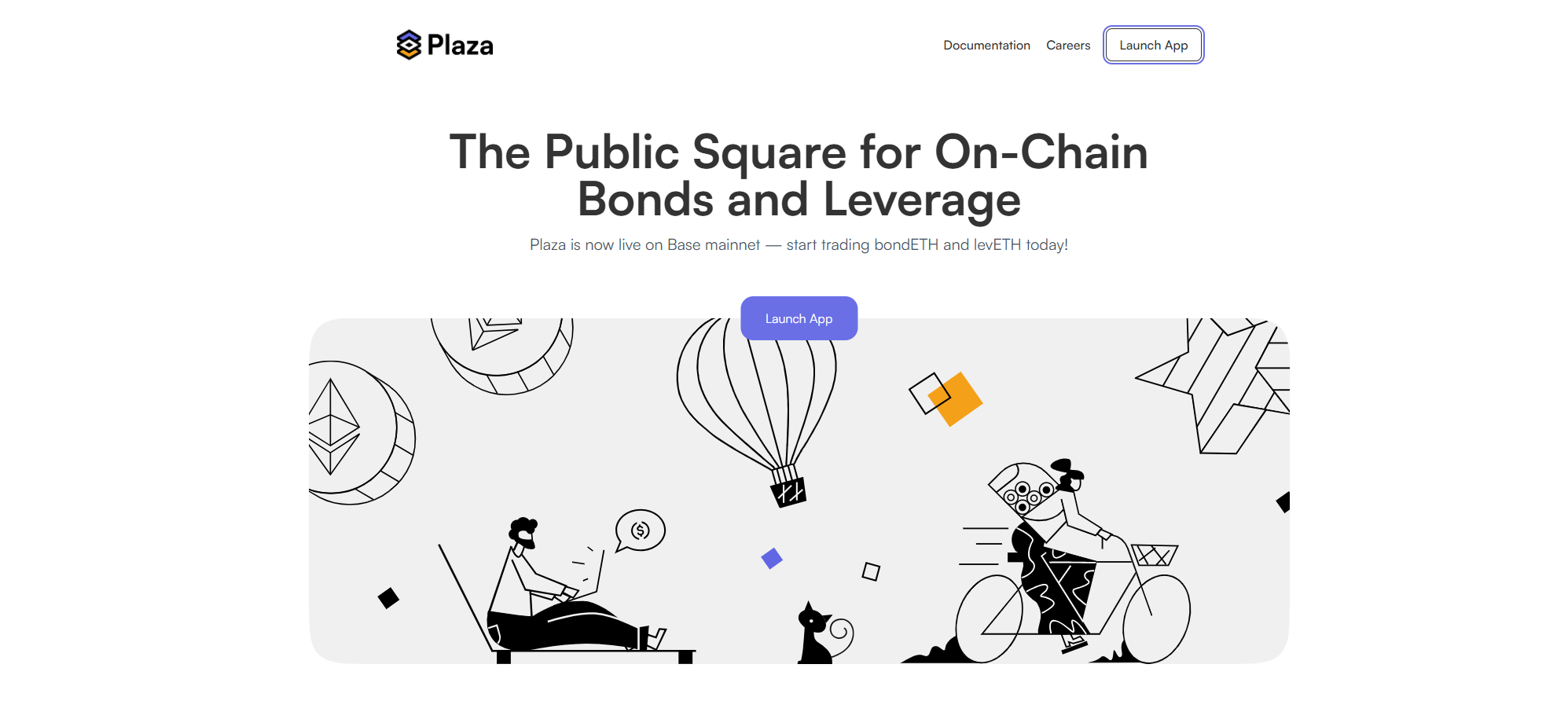
Plaza Finance is a decentralized exchange focused on on-chain bonds and leveraged trading. It uses a structured points system where daily interactions earn points, and external tasks on Galxe or similar platforms offer bonus multipliers.
What to do:
- Connect wallet to the Plaza Finance testnet dashboard
- Claim test tokens from the faucet
- Buy and sell assets in the Earn and Leverage sections daily
- Complete bonus tasks on linked quest platforms for point multipliers
Pros:
- Clear point system with visible progress
- Daily tasks support consistent accumulation
- Bonus multipliers available through external tasks
Cons:
- Requires daily engagement to maximize score
- Points do not guarantee token value at TGE
LayerEdge Testnet
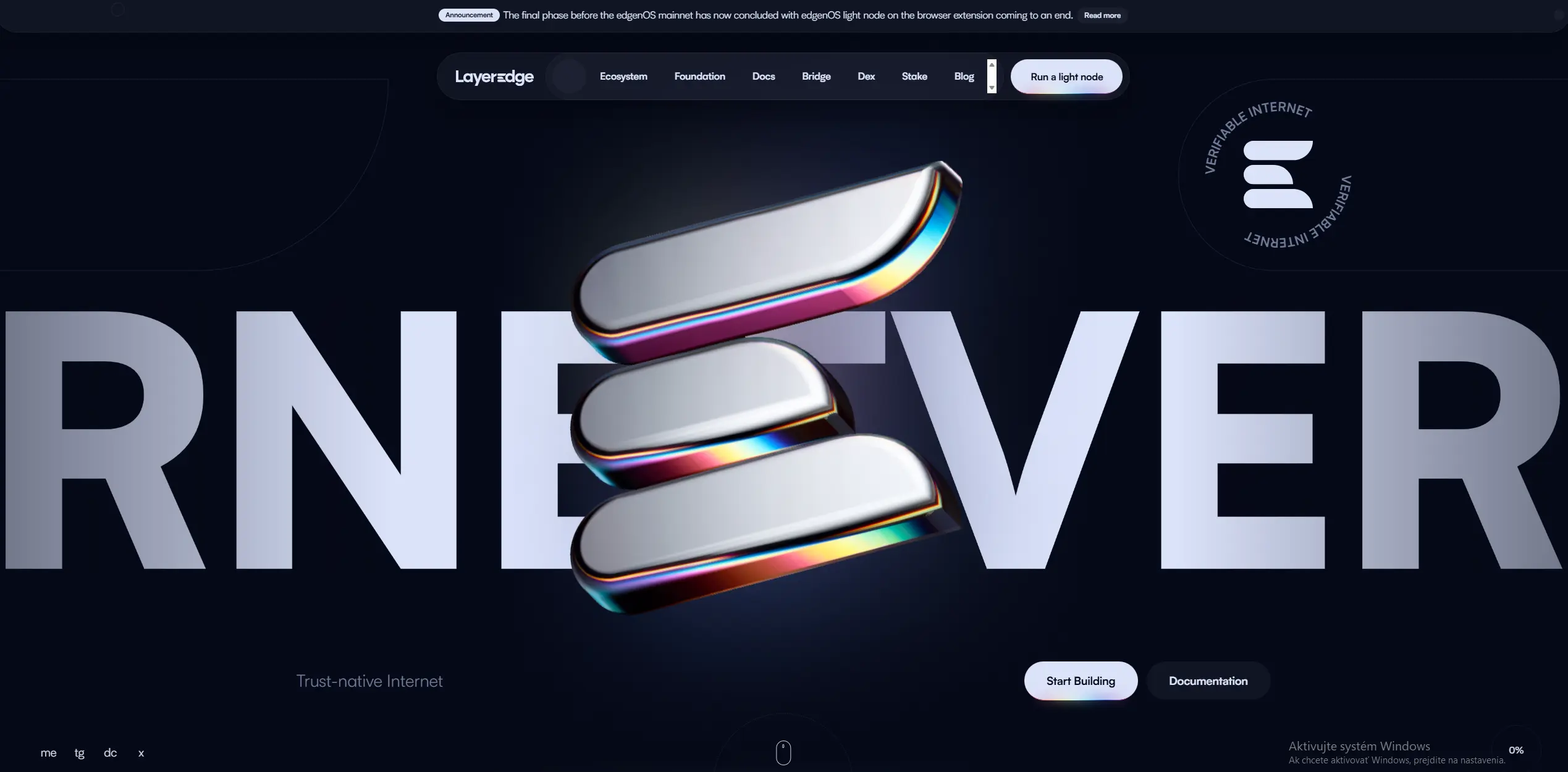
LayerEdge focuses on Bitcoin blockspace infrastructure using ZK (zero-knowledge proofs – a privacy technology) and BitVM (a framework for Bitcoin smart contracts). It stands out from other testnets by requiring node-based participation rather than simple browser interactions. A node is a computer program that helps run and validate the network.
What to do:
- Access the dashboard and enter an invite code
- Run a lightweight node to earn daily points
- Claim rewards regularly through the platform interface
Pros:
- Node-based rewards offer deeper participation and potentially higher allocation
- Daily reward claims keep engagement structured
- Early-stage positioning in Bitcoin infrastructure
Cons:
- More technical than browser-based testnets
- Node must maintain uptime for optimal rewards
Prom Testnet
Prom is a DeFi-focused project with multiple participation layers including validator roles, quest-based tasks, and transaction volume tracking. It has strong community engagement and has attracted significant user interest.

What to do:
- Perform transactions and swaps on the testnet
- Complete quests on linked platforms
- Optionally become a delegator or validator for additional points
Pros:
- Multiple participation paths suit different skill levels
- Strong community and long-term user expectations
- High engagement signals serious project development
Cons:
- Reported network issues and occasional transaction failures
- Faucet limitations can slow down activity
- Fake support channels are a known risk – use official channels only
DOP Testnet
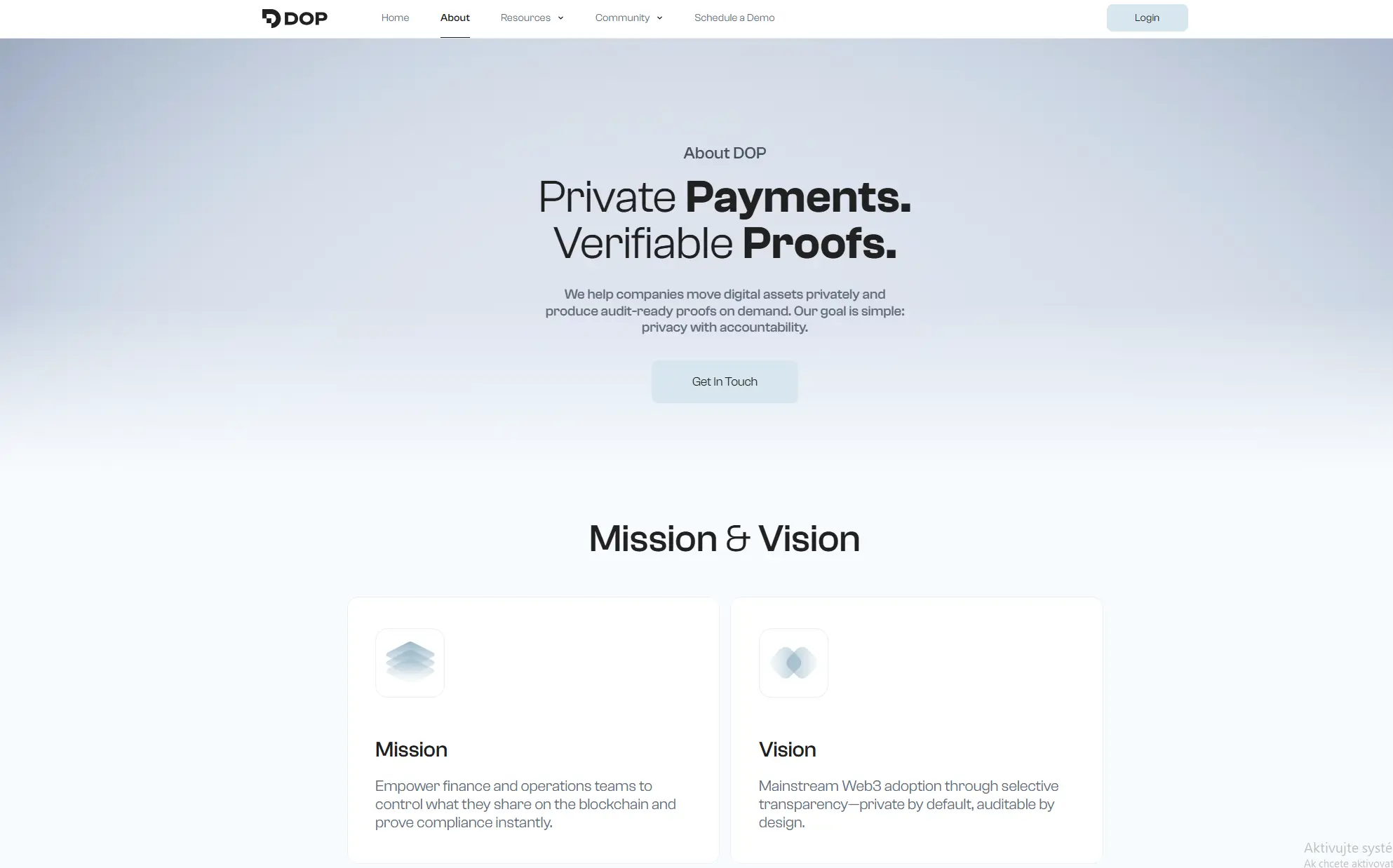
DOP (Data Ownership Protocol) focuses on privacy features and is designed for fast onboarding with minimal effort. The entire participation process can be completed in minutes, making it the most beginner-friendly option on this list.
What to do:
- Visit the testnet link and connect wallet
- Complete the required actions – most can be done in under 10 minutes
Pros:
- Extremely easy to start – no technical knowledge required
- Low time commitment
- Good entry point for complete beginners
Cons:
- Lower engagement depth compared to complex testnets
- Lower earning potential relative to more active projects
Omnisea Testnet
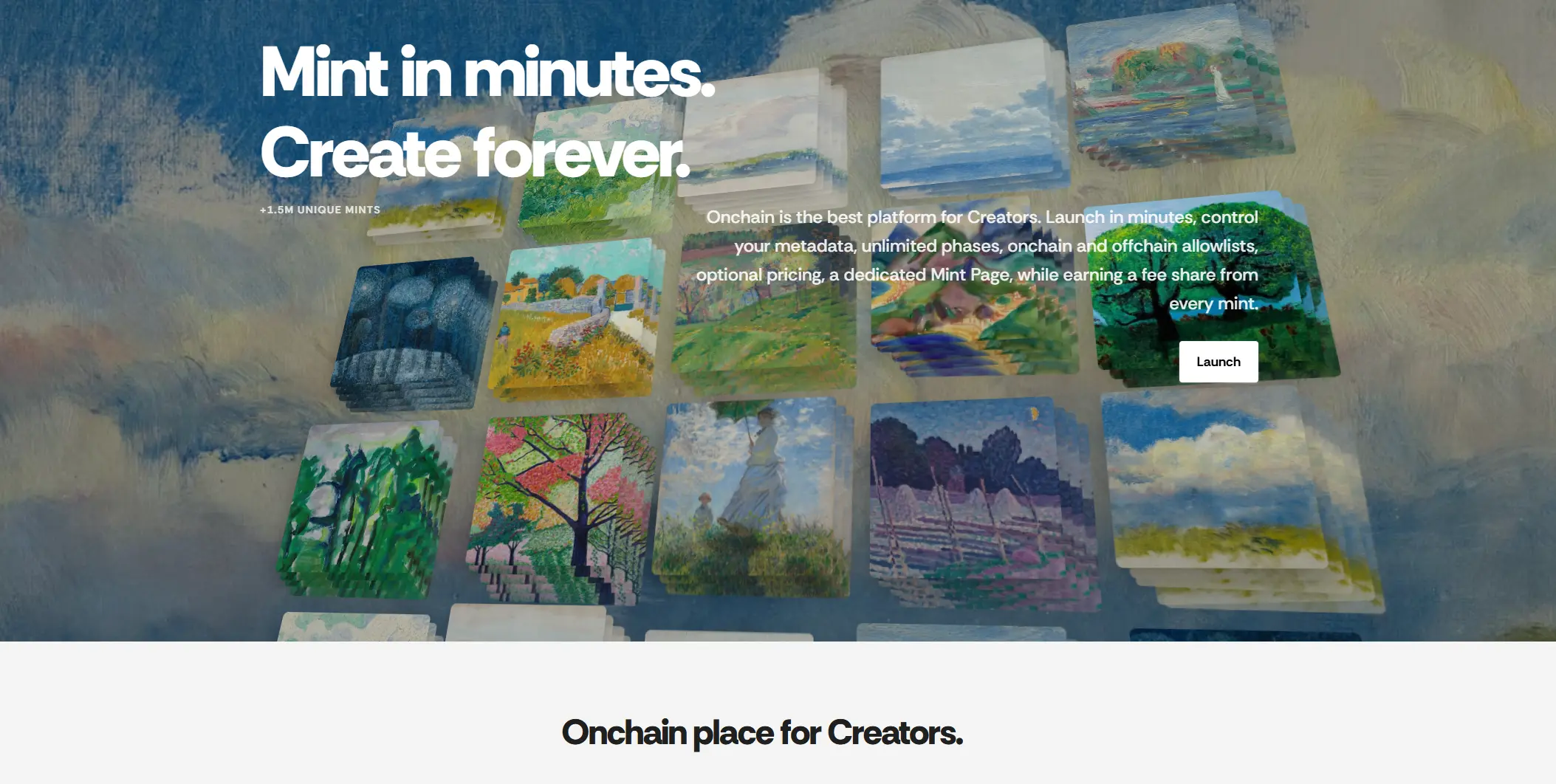
Omnisea focuses on NFT infrastructure and cross-chain deployment. Users can create, manage, and bridge NFT collections across multiple blockchains. The platform is beginner-friendly and suits users interested in the NFT space specifically.
What to do:
- Connect wallet and navigate to the NFT creation interface
- Create an NFT collection, set metadata, and upload files
- Deploy the collection and optionally bridge it to another chain
Pros:
- Unique focus on NFTs and omnichain functionality
- Clean interface suitable for beginners
- Cross-chain interaction earns additional activity points
Cons:
- NFT-focused scope limits task variety
- Reward potential depends heavily on project traction at TGE
How Much Can You Earn From Crypto Testnets?
Testnet earnings are fundamentally different from other crypto task types. There is no fixed hourly rate and no guaranteed payout. The reward model is asymmetric – you invest time with no financial cost, and occasionally receive a significant return if the project launches successfully and decides to reward participants.
Realistic expectation: The majority of testnet participants earn nothing. Most crypto testnets never lead to a meaningful airdrop. The examples below represent outcomes from successful projects – they are not typical results and should not be treated as income projections.
Documented outcomes from past testnets
- Aptos incentivized testnet – selected participants received 150-300 APT tokens. At peak price, this exceeded $5,000 for some users.
- Arbitrum airdrop – users who had interacted with the testnet and mainnet early received ARB tokens worth hundreds to thousands of dollars.
- Starknet airdrop – early testnet users qualified for STRK token distributions ranging from under $100 to several thousand dollars.
More realistic earnings breakdown by scenario
| Scenario | Activity Level | Likely Outcome | Probability |
|---|---|---|---|
| Project fails or skips airdrop | Any | $0 | Most common |
| Project launches, minimal reward | Low-medium | $10-$100 | Common |
| Project launches, decent reward | Consistent | $100-$1,000 | Occasional |
| Project launches, strong reward | High + early | $1,000-$10,000+ | Rare |
Users who report higher earnings ($5,000-$10,000 over several months) are typically participating in 10-20 crypto testnets simultaneously, spending 2-4 hours daily, and have been active across multiple successful projects over a long period. This is not a casual side activity at that level – it is closer to a part-time job with uncertain pay.
Crypto Testnets vs Other Crypto Task Types
Understanding where crypto testnets sit relative to other crypto task types helps you decide how to allocate your time.
| Testnets | Bounties | Surveys & Microtasks | Faucets | |
|---|---|---|---|---|
| Investment needed | None | None | None | None |
| Skill required | Low-Medium | Low-High | None | None |
| Earning consistency | Unpredictable | Per project | Consistent | Very low |
| Earning potential | High (rare) | High | Low-Medium | Minimal |
| Time per day | 1-3 hours | Project-based | 30-90 min | 5-10 min |
| Reward timing | Months later | Days-weeks | Days-weeks | Instant |
The most practical combination for most users is surveys and crypto microtasks for consistent daily income alongside testnet participation for speculative upside. Crypto faucets can supplement both. Bounties are worth adding if you have a specific skill – writing, translating, or development.
Risks of Crypto Testnet Participation
No reward guarantee
This is the most important risk and the most commonly underestimated one. A project can complete its testnet phase, launch a mainnet token, and still choose not to reward testnet participants – or to reward them far less than community expectations suggested.
Sybil filtering
Sybil filtering is the practice of projects identifying and disqualifying wallets that appear to be farming rewards artificially – for example, running hundreds of wallets to multiply a single user’s allocation. As of 2026, most serious projects use on-chain analytics, IP tracking, and activity pattern analysis to detect this. Using multiple wallets does not reliably increase your reward and may result in all wallets being disqualified.
Scams and phishing
Testnet communities on Discord and Telegram are frequently targeted by scammers posing as support staff or moderators. They typically ask users to verify their wallet, claim a bonus, or connect to an external site. Never share your seed phrase. Never connect your wallet to a URL sent in a DM. Always verify links against the official project website.
Project failure or abandonment
Many testnet-stage projects never reach a stable mainnet launch. Development can stall, funding can run out, or teams can abandon the project entirely. Time invested in a failed project yields no return. Prioritize projects with active development, transparent teams, and verifiable funding before committing significant time.
Opportunity cost
Time spent on low-quality crypto testnets is time not spent on more reliable earning methods. Surveys and microtasks consistently pay $1-$3 per hour. A testnet that never rewards participants pays nothing regardless of time invested. Balance speculative testnet participation with consistent-income task types to avoid over-relying on uncertain outcomes.
FAQs About Crypto Testnets
Yes – testnet participation has no financial cost. You receive free test tokens from a faucet and use them to interact with the platform. The test tokens have no real monetary value and cannot be sold or transferred to a real wallet. The only cost is time. Note that if you later move earned rewards to a mainnet wallet after the TGE, you may pay small gas fees on the real network at that stage.
No – this is the most important thing to understand before participating. Many projects use airdrops to reward early testers, but there is no obligation to do so. Some projects delay rewards significantly, reduce allocations from what the community expected, apply strict eligibility filters that exclude most participants, or skip token distributions entirely. Research each project’s stated reward criteria before investing time.
Look for projects with four characteristics: active and transparent development (regular GitHub commits or blog updates), a structured reward system with published criteria (points, quests, or defined tasks), strong community engagement that appears organic rather than incentivized, and verifiable funding from known investors or grants. No combination of these factors guarantees a reward, but they reduce the chance of wasting time on abandoned projects.
Most testnets are designed to be accessible to users with basic crypto knowledge – the ability to set up a MetaMask wallet, connect to a website, and perform simple transactions. Node-based testnets like LayerEdge require more technical knowledge, including running software on a computer or server. Quest-based testnets on platforms like Galxe or Layer3 are the most beginner-friendly and require almost no prior experience beyond having a wallet.
Technically yes, but it is increasingly ineffective and risky. Projects in 2026 routinely use Sybil filtering – on-chain analytics that detect when multiple wallets belong to the same user based on IP addresses, transaction timing patterns, funding sources, and activity similarities. Wallets identified as Sybil accounts are typically disqualified from all rewards. Using multiple wallets does not reliably increase your allocation and risks losing all of them.
TGE stands for Token Generation Event – the moment when a blockchain project officially creates and launches its native token. This is when most airdrops to testnet participants are distributed. The TGE can happen months or even years after the testnet phase ends. Between the testnet and TGE, you typically wait with no way to know if or how much you will receive. Many users track upcoming TGEs through platforms like CryptoRank or Coinmarketcap to anticipate potential distributions.
TGE stands for Token Generation Event – the moment when a blockchain project officially creates and launches its native token. This is when most airdrops to testnet participants are distributed. The TGE can happen months or even years after the testnet phase ends. Between the testnet and TGE, you typically wait with no way to know if or how much you will receive. Many users track upcoming TGEs through platforms like CryptoRank or Coinmarketcap to anticipate potential distributions.