Key Takeaways
- Crypto rewards let you earn cryptocurrency through everyday actions
- 4 main ways to earn: Crypto Reward Apps, Crypto Cashback, Crypto Signup Bonuses, and Crypto Referral Programs
- No capital required for most options – Brave Browser, Learn & Earn quizzes, and reward apps work with zero upfront crypto.
- Rewards are taxable in most countries, including the US where the IRS treats them as ordinary income.
- Treat rewards as a bonus, not a strategy – illiquidity and market swings can erase gains quickly.
Crypto rewards are incentives paid in cryptocurrency for actions you may already be doing – shopping online, learning about new projects, referring friends, or simply browsing the web. Unlike buying or trading crypto, most reward programs require no upfront capital, making them a practical entry point for anyone curious about the space.
The market behind these programs has grown significantly. Over 45 million users actively participate in crypto reward programs as of 2025 – a 340% increase from 2023 – and annual reward distributions are projected to exceed $5.2 billion this year, growing toward a $10 billion industry by 2026. Major institutions are taking notice too: Chase partnered with Coinbase for a crypto rewards rollout in fall 2025, and Japan’s Aplus became the first credit card issuer to directly convert loyalty points into cryptocurrency. This is no longer a niche hobby – it is becoming part of mainstream finance.
This guide explains how each type of crypto reward works, which platforms are worth your time, and what to watch out for. Use it as your starting point – each section links to a dedicated guide for deeper detail.
What Are Crypto Rewards?
Crypto rewards are incentives distributed in cryptocurrency for completing certain actions or meeting specific conditions. They work similarly to traditional loyalty programs – airline miles, cashback points, or store credit – except the reward is a digital asset with real market value that you own directly.
What makes crypto rewards different from traditional loyalty programs is direct ownership. When you earn miles, you have a claim managed by an airline. When you earn crypto rewards, the tokens go directly into your wallet. You can hold them, trade them, use them in DeFi protocols, or convert them to cash. There is no loyalty program that can devalue, expire, or revoke them.
How Crypto Rewards Are Distributed
Most reward programs use smart contracts or automated platform logic to track and distribute rewards. When you complete a qualifying action – making a purchase, finishing a quiz, referring a user – the system calculates your reward and credits it to your account or wallet automatically. On blockchain-based platforms, this happens on-chain with full transparency.
The specific asset you receive varies by program. Some reward you in Bitcoin, others in the platform’s native token (like CRO from Crypto.com), in stablecoins like USDC (which maintain a fixed value), or in smaller altcoins. Always check what you are earning – a reward in a low-liquidity token may be harder to sell than it looks.
Types of Crypto Rewards
Not all crypto rewards are the same. The four main categories covered on this site each work differently, require different levels of effort, and suit different types of users. Here is a quick overview before we dive into each one.
| Type | How You Earn | Effort Required | Best For |
| Crypto Reward Apps | Tasks, games, surveys, browser activity | Low to Medium | Beginners, no capital needed |
| Crypto Cashback | Everyday spending via card or browser extension | Very Low (passive) | Regular shoppers, card users |
| Crypto Signup Bonuses | Joining a platform + KYC + first action | Low (one-time) | New users exploring platforms |
| Crypto Referral Programs | Sharing unique referral links | Low to Medium | Users with an audience or network |
| Learn & Earn | Watching videos, completing quizzes | Low | Absolute beginners, zero capital |
| Staking Rewards | Locking crypto to secure a network | Low (requires capital) | Existing crypto holders |
| Airdrops | Holding tokens or completing tasks | Low to Medium | Active DeFi/Web3 users |
1. Crypto Reward Apps
Crypto reward apps let you earn cryptocurrency by completing tasks, surveys, games, or in-app activities. Most require no initial investment – you download the app, create an account, and start earning. The amounts per task are usually small, but they add up over time with consistent use.
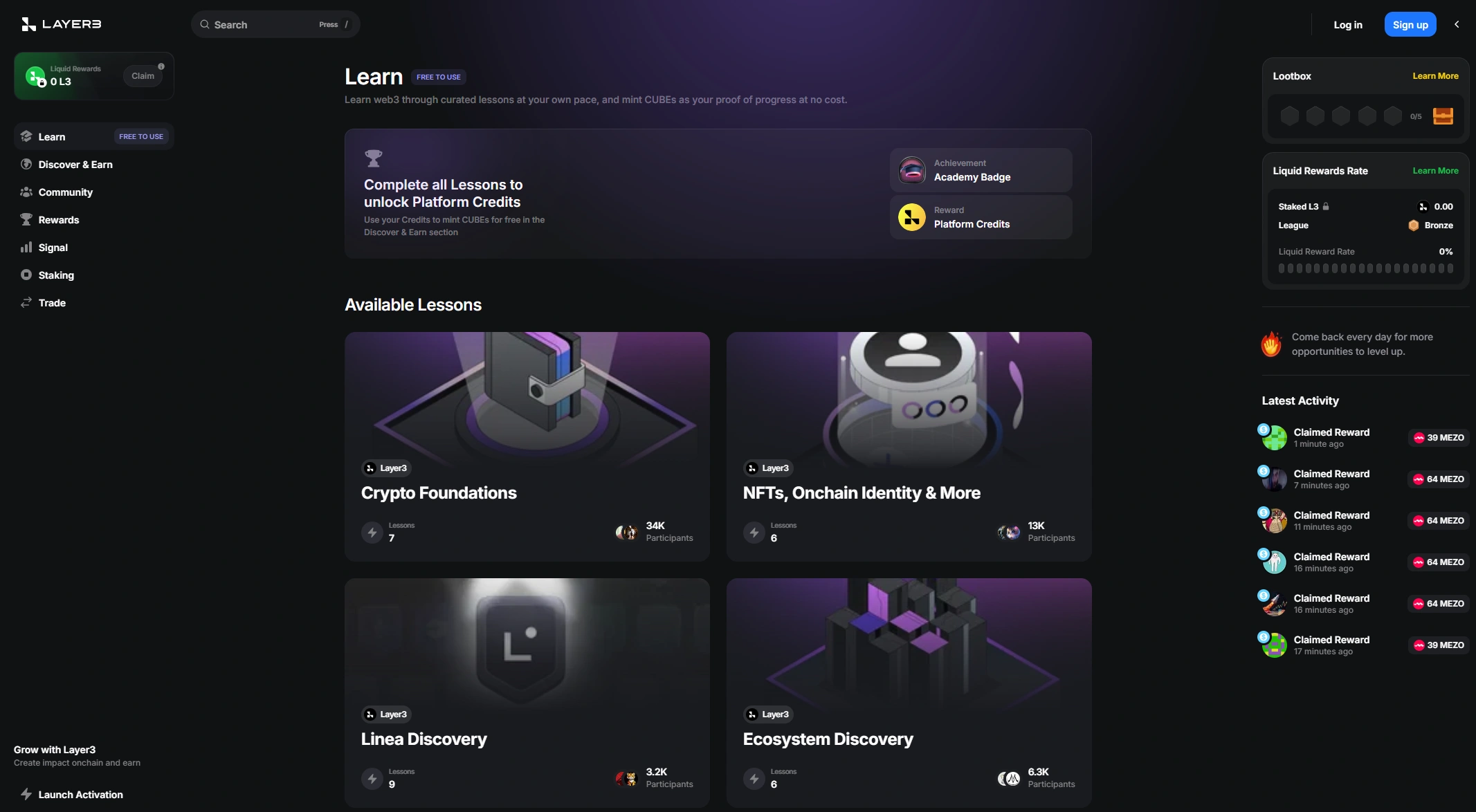
Examples include Layer3.xyz (quest-based tasks across Web3 protocols), Coinbase Wallet Quests (on-chain tasks like swapping tokens or minting NFTs), and play-to-earn games like Sunflower Land on Polygon. Community members specifically recommend Layer3 as an entry point for beginners, though some crypto tasks may require a small amount of crypto to cover gas fees.
One honest note from community experience: apps promising very high returns often disappoint. Treat reward apps as a way to learn the ecosystem and accumulate small amounts of crypto over time – not as a primary income source.
→ Read the full guide about Crypto Reward Apps
2. Crypto Cashback
Crypto cashback lets you earn cryptocurrency on purchases you are already making. It comes in two main forms: crypto credit/debit cards and browser extensions that activate rewards when you shop online.
The Crypto.com Visa Card offers up to 5% back in CRO depending on your staking tier. Lolli gives up to 30% back in Bitcoin or cash at over 25,000 partner stores via a browser extension. Brave Browser pays users Basic Attention Token (BAT) simply for opting into privacy-respecting ads while browsing – no purchases required.
The crypto credit card market was valued at $2.10 billion in 2025 and is forecast to reach $12.68 billion by 2035, growing at a 19.68% CAGR. Major new entrants include Chase’s partnership with Coinbase, announced for a fall 2025 rollout, which will allow Chase credit card users to redeem reward points for USDC.
Compared to traditional points or miles, crypto cashback offers more flexibility: the earned asset is transferable, tradeable, and not locked into any platform’s ecosystem. The trade-off is price volatility – a 2% cashback in Bitcoin today may be worth more or less by the time you use it.
3. Crypto Signup Bonuses
Crypto signup bonuses are one-time rewards offered by exchanges and platforms to attract new users. They typically require you to create an account, complete KYC verification, and take a first qualifying action such as making a deposit or completing a trade.
Major platforms running signup bonus programs include Binance, Coinbase, Crypto.com, Kraken, and Revolut. Revolut’s Learn & Earn quizzes have offered up to €15 per module across tokens like Polkadot, Avalanche, and NEAR Protocol. Coinbase’s Learn and Earn program offered up to $24 per educational module before the program was discontinued in May 2025 – though Coinbase Wallet Quests continues as a replacement.
Signup bonuses are often the easiest entry point for complete beginners because they require no prior crypto holdings. The main things to watch: some bonuses have lock-up periods before you can withdraw, and many require full KYC verification. Always check the terms before signing up.
→ Read the full guide: Crypto Signup Bonuses
4. Crypto Referral Programs
Crypto referral programs pay you a commission in cryptocurrency when someone signs up and becomes active on a platform through your unique referral link. Most programs pay a percentage of the referred user’s trading fees on an ongoing basis, making them one of the few reward types with genuine passive income potential.
Current programs include: Binance (up to 50% commission on referred users’ trading fees), Coinbase ($10-$50 per qualified referral), and Crypto.com (tiered commission structure based on referral volume). Hardware wallet affiliates like Ledger and Trezor also run programs for users who recommend secure storage solutions.
Community members with existing audiences – content creators, social media users, forum participants – tend to get the most out of referral programs. For someone starting with no following, referral income will be minimal until a network is built. The key is genuine value creation: recommending platforms you actually use and trust, rather than chasing commissions.
What the Community Actually Says About Crypto Rewards
The most valuable insights come from people who have actually tried these programs. Here is what consistently comes up in community discussions.
Start With Zero Capital – It’s Possible, But Patience Is Required
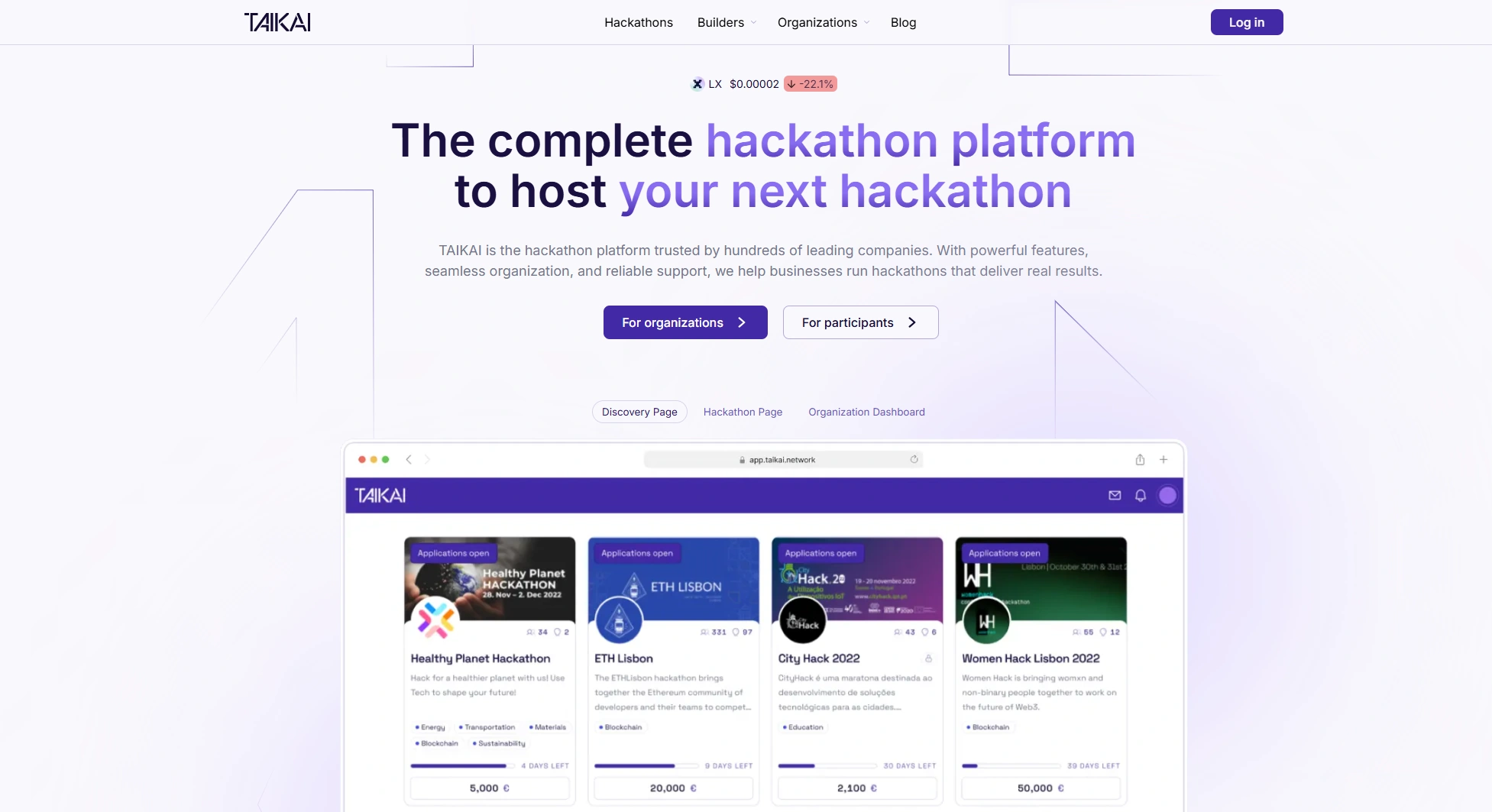
Multiple community members confirm that it is genuinely possible to start earning crypto with no initial investment. The best no-capital entry points are: Brave Browser (passive BAT earnings), Reddit communities like r/ethtrader and r/coneheads that distribute community tokens, Learn & Earn programs on Binance and Revolut, and hackathons on platforms like TAIKAI, Devpost, or HackerEarth where solo builders can win crypto prizes.
The honest caveat: ‘claiming airdrops often requires a gas fee, so truly zero-cost earning is limited to browser-based and community reward programs.’
The Illiquidity Warning – What Beginners Miss
One of the most repeated warnings in community discussions: an NFT or token worth 1/10 ETH that nobody is buying is effectively worthless. This applies to reward tokens too. If you earn a small-cap or low-volume token as a reward, check whether there is actual trading volume before counting it as income. Many reward tokens lose 80-90% of their value after initial distribution hype fades.
The practical takeaway: when you receive a reward in a speculative token, convert it to Bitcoin, ETH, or a stablecoin as soon as possible if you want to preserve the value.
Crypto vs. Points vs. Miles – Which Rewards Are Actually Better?
Community perspective aligns with financial analysis: crypto rewards offer more flexibility and direct ownership than traditional points or miles, but come with price volatility that points do not. Points and miles have predictable redemption values but are locked into the issuer’s ecosystem and subject to sudden devaluations or rule changes.
The right choice depends on your goals. If you want simplicity and stability, traditional rewards work. If you want ownership and potential upside, crypto rewards offer that – along with the downside risk of volatility.
Be Careful With Anything Promising Over 10% APY
Multiple community members flag this consistently: be cautious with any platform promising more than 10% APY. Genuinely high yields on major assets like BTC or ETH typically come from significant counterparty risk. Community members who chased high-yield platforms in previous cycles report losing their principal entirely. Lower, verifiable yields from established protocols (Rocket Pool for ETH staking, for example) are generally safer than high-yield promises from newer platforms.
Tax Implications of Crypto Rewards
Crypto rewards are not tax-free in most jurisdictions. In the United States, the IRS treats crypto rewards as ordinary income at the fair market value when you receive them. This applies to staking rewards, airdrop distributions, Learn & Earn programs, cashback, and signup bonuses.
If you later sell or exchange those rewards, you may also owe capital gains tax on any increase in value since you received them. The difference between what they were worth when you earned them and what you sell them for is the taxable gain.
Practical Tax Steps
- Track every reward transaction with the date received and the fair market value at that time.
- Use crypto tax software like Koinly or CoinTracker to automate the tracking process.
- Be aware that converting a reward token to another currency (including stablecoins) is typically a taxable event.
- Consult a tax professional in your jurisdiction before participating in high-volume reward programs.
Tax rules vary significantly by country. Always verify the rules in your specific jurisdiction before participating.
How to Avoid Crypto Reward Scams
The crypto reward space attracts scammers. Red flags to watch for: any platform that promises guaranteed high returns, any signup process that asks for upfront payment to claim rewards, unsolicited Telegram or Discord messages with reward links, and platforms with no verifiable team or audit history.
Safety Checklist
- Verify the platform’s reputation on independent review sites before submitting KYC documents.
- Never connect your wallet to links received in unsolicited messages.
- Use a separate wallet address for reward programs rather than your main holdings wallet.
- Check that the platform has published smart contract audits if it handles your funds on-chain.
- For faucets and small reward sites, the legitimate ones never ask you to deposit crypto to withdraw rewards.
Community consensus: the safest programs are from reputable, established platforms like Binance, Coinbase, Brave, and Crypto.com. New, unaudited platforms promising large rewards carry significantly higher risk.
Choosing the Right Crypto Reward Method for You
If You Have No Crypto and No Capital
- Start with Brave Browser for passive BAT earnings.
- Complete Learn & Earn quizzes on Binance or Revolut.
- Participate in Reddit communities that distribute community tokens.
- Join hackathons on TAIKAI or Devpost if you have any tech or creative skills.
If You Already Use Crypto or Shop Online Regularly
- Get a crypto cashback card like Crypto.com Visa or use Lolli for online shopping.
- Complete platform signup bonuses on exchanges you plan to use anyway.
- Set up a referral program on your primary exchange and share your link with people who ask your recommendation.
If You Have an Existing Audience or Network
- Crypto referral programs offer the best per-hour return for anyone with an audience.
- Binance’s 50% commission on referred users’ trading fees can generate meaningful ongoing income.
- Focus on platforms you genuinely use – recommending something purely for commission damages trust.
Frequently Asked Questions About Crypto Rewards
Yes, for the right expectations. Crypto rewards are a legitimate way to accumulate small amounts of crypto over time, learn about the ecosystem, and earn passive income through cashback or referrals. They are not a path to quick wealth, and treating them as such leads to disappointment. The community consistently recommends treating your first involvement as a learning experience.
Most legitimate platforms require at least basic KYC verification to comply with financial regulations. Brave Browser and some browser extensions are exceptions – they require no identity verification. Learn & Earn programs on Binance and Coinbase require a verified account. If a platform promises rewards with no identity verification and asks for a deposit first, that is a scam.
The easiest zero-capital options are Brave Browser (passive BAT from browsing), Binance or Revolut Learn & Earn quizzes (complete a short quiz, receive crypto), and Coinbase Wallet Quests (on-chain tasks with small crypto rewards). For most of these you will need a wallet and a verified account, but no initial cryptocurrency deposit.
Yes. Lolli gives up to 30% back in Bitcoin through its browser extension at 25,000+ stores. Some Learn & Earn programs reward in Bitcoin. Stacking (Stacks protocol) gives BTC staking rewards. Cointiply is a Bitcoin faucet that pays out in BTC for completing tasks. Be aware that some platforms listed as paying in Bitcoin actually pay in wrapped versions or tokens pegged to Bitcoin – verify the exact asset before participating.
In the US, yes. The IRS treats crypto rewards as ordinary income at the fair market value when received. Capital gains tax may also apply when you later sell or exchange them. Tax treatment varies by country – always check your local rules and keep detailed records of every reward transaction.
Crypto reward apps typically reward you for completing tasks, playing games, or performing platform-specific actions on an ongoing basis. Learn & Earn programs are educational – you watch content about a specific cryptocurrency, answer quiz questions, and receive a one-time reward for that lesson. Both are legitimate, but Learn & Earn is generally simpler and lower risk for absolute beginners.
All Articles About Crypto Rewards
Sweatcoin Earnings After 2.5 Weeks: Real Numbers, Real Steps, Real Value

Step App Review: Can You Really Earn Crypto Just by Walking in 2026?
Sweatcoin Review 2026: Does Walking Really Pay or Is It a Waste of Time?

StepN Crypto: The Move-to-Earn App That Pays You to Walk

Move to Earn Apps in 2026: Which Ones Are Worth It and Which Are Not

Move to Earn Crypto: How It Works, What It Pays, and What the Community Really Thinks